Watson Removals London for removals in London

Watson Removals London provides removals in London with a practical focus on household and business moving work, arranged around the details that matter on moving day. Whether you are planning a flat move, a family house relocation or a smaller load that still needs care, the service is shaped around safe handling, sensible planning and a straightforward finish. The aim is to keep your move organised without overcomplicating it, while still giving enough flexibility for different properties, access points and item types.
The core work covers lifting, carrying, loading and transport, with options that can suit single-item moves, fuller home removals and office relocations. Customers often need help with awkward furniture, boxed belongings, disassembly and reassembly, or a van size that fits the job without waste. If you want a move that feels managed rather than improvised, the next step is simple: review the service pages and request a quotation when you are ready.
Different moves need different preparation, so it helps to think about volume, access, timing and the sort of items being carried. Stairs, parking restrictions, shared entrances and fragile belongings can all affect how the move is approached. A clear enquiry with the main details allows the work to be matched more accurately. For a fuller look at the moving options, see the removals service and the information on pricing and quotes.
House moves arranged with care
Home removals are often about more than transport. They involve deciding what should be moved together, how items should be protected in transit and how to keep the move manageable from one address to the next. For a household move, the best result usually comes from a clear plan that considers larger furniture, boxed possessions, delicate items and the route in and out of the property. The service is intended to make that process more practical and less disruptive.
We can help with moves from smaller homes through to larger family properties, with attention to the type of access and the amount of loading required. Where needed, careful handling of furniture and other household items can reduce the stress of moving in stages or moving a full home at once. If you are comparing options, it is useful to think about the amount of packing already completed, the number of rooms involved and whether anything needs special wrapping or dismantling.
- Useful when furniture, boxes and mixed household items need to travel together.
- Suitable where access is tight or timing needs to be planned around building rules.
- Helpful for moves that need both loading support and careful unloading at the destination.
Moving support for homes and flats
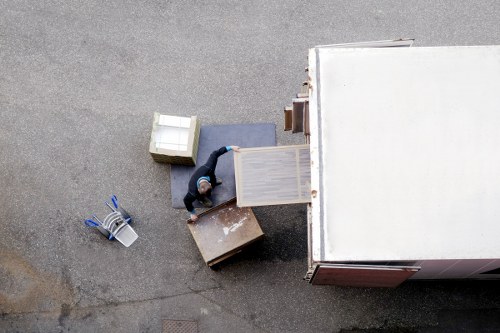
Flat moves and house moves can differ in practical ways, even when the overall distance is short. Shared hallways, lifts, stairwells and nearby parking can influence the speed and sequence of the work. A considered moving service takes those details into account before anything is lifted, which helps to reduce unnecessary delays and keeps the process more orderly. This is especially useful when the property contains furniture that needs to be carried carefully through limited spaces.
Our moving support can be used for single occupants, couples, growing households and anyone relocating between rented or owned property. It is often helpful to separate items into what must go, what can be packed in advance and what may need protection on the day. If there are particular pieces that matter most, such as beds, wardrobes, desks or fragile display items, those can be treated as part of the core move rather than as an afterthought. Home moves provide a broader overview of this kind of work.
When comparing arrangements, look at the practical outcome rather than just the headline label. A good home moving plan should fit the property, the number of items and the route being travelled. It should also leave room for ordinary problems such as a narrow stairwell, waiting for lift access or a sofa that needs to be taken apart before it can be removed safely.
Business and office relocation work
Office relocations call for a different rhythm from residential removals. Desks, chairs, filing, IT equipment and storage units usually need to be moved in a way that keeps items grouped sensibly and ready for reassembly or placement at the other end. The practical challenge is not only transport, but keeping the relocation organised enough that work can resume without confusion. This is where a structured moving approach makes a clear difference.
Commercial moves can include small offices, studios, shared workspaces and premises with equipment that should stay together during transit. Some customers need simple removal support, while others need help coordinating heavier furniture or managing multiple loading points. If your move involves business hours, building access rules or essential equipment, it is worth setting those points out clearly when you enquire. That helps with planning and can make the quotation more accurate.
For firms comparing service types, it is sensible to review the commercial moves information alongside the office relocation services page. Those pages can help you judge whether the job is mainly about moving furniture, relocating equipment, or arranging a fuller business premises move. The right choice depends on what needs to be transported and how quickly the premises need to be turned around.
Packing, wrapping and handling between addresses

Packing is often the difference between a move that feels controlled and one that becomes difficult to manage. Even where customers do most of their own packing, there are usually items that benefit from extra protection or more careful placement. That may include glass, artwork, lamps, crockery, computer equipment or furniture surfaces that mark easily. Good packing work supports the whole move because it helps keep items stable and easier to stack, carry and unload.
We can support moves where packing and unpacking sit alongside the main removal, rather than being treated as a separate and unrelated task. That is particularly useful when a household or office has a mix of boxed and unboxed contents, or when some items need special attention because of shape, fragility or value to the owner. For more detail about this type of help, see the packing and unpacking services page, which sits naturally alongside the moving work itself.
Two points usually improve the process for everyone: first, make sure the main items to be moved are identified clearly; second, separate anything that will stay behind from what must be taken. Those basics help with planning the load and reduce avoidable confusion. A short written note can be enough to clarify what should be prioritised on the day.
Furniture moves and single-item transport
Not every removal involves a whole property. Sometimes the job is a sofa, wardrobe, bed frame, dining table or another sizeable item that cannot be transported easily in a car. In those situations, a removal service should still handle the work with care, because one awkward item can be just as challenging as a full load. The benefit is a straightforward solution without needing to overbook or overpay for a much larger move than necessary.
Furniture transport often depends on whether the piece can pass through doorways, hallways and stairs intact, or whether it should be dismantled first. A useful plan also considers how the item will be protected during lifting and carrying, especially if surfaces are polished, glass-fronted or easily scratched. The furniture pick-up page is relevant where the job centres on moving a smaller number of items rather than a full household or office relocation.
If you are moving individual pieces to a new home, storage location or workplace, it is helpful to note dimensions and any access restrictions. That does not need to be complicated: a few measurements and a clear description of the item are usually enough to tell whether the move needs special handling or can be done in a simpler way.
Man and van options for lighter loads

Some moves are best handled with a smaller vehicle and a flexible loading arrangement. A man and van service is often suited to lighter domestic moves, student items, a few boxes, or small loads that still need careful transport. The advantage is that it can be practical for jobs that do not justify a full removals team, while still providing the lift, carry and transport support that makes the job easier.
This kind of service can also work well for awkward schedules, partial moves and collections where items need to be taken from one location to another without much delay. Because the load is smaller, the work can often be arranged in a more direct way, but it still benefits from accurate details about item size, access and the final destination. See man and van for a broader explanation of the service and how it differs from fuller removals.
Good planning points for lighter removals include the number of bags or boxes, whether anything needs dismantling, and whether parking is easy near the property. These simple details help to match the vehicle and the approach to the job. Even a smaller move feels smoother when the load is described properly at the start.
Vehicles, access and practical moving decisions
Choosing the right moving setup is partly about the load and partly about the route. A long carry from the road, awkward stairs or limited parking can shape the time and effort required. Likewise, a job with bulky but not especially heavy items may need a different solution from one made up mainly of boxes. The most useful quotation is usually the one based on honest details about what is being moved and how easy it is to reach.
That is why a removal service works best when the customer can describe the move in a clear and ordinary way. If the property has a service lift, if the furniture needs dismantling, or if the collection and drop-off points are on different floors, those details matter. They help decide whether the move fits a simple van job, a fuller removals setup or something in between. The page for moving van is useful if you are comparing transport-focused options.
Where the load is heavier or more complex, the vehicle choice should support the job rather than dictate it. A balanced approach avoids unnecessary handling and keeps the transport itself efficient. In practice, that means thinking about the move as a whole: the items, the access, the route and the final placement at the destination.
About London
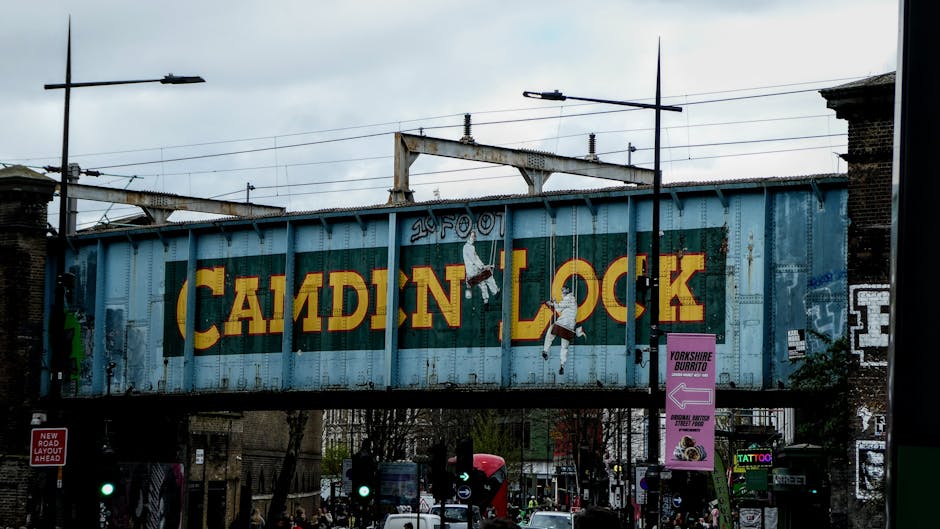
London is a large and historically layered city shaped by the River Thames, with settlement on both banks stretching back to Roman times. Its present form combines the Square Mile, the West End, Victorian terraces, post-war estates and contemporary high-rise districts, creating a city whose streets can change character within a short walk. The Thames remains central to the city’s geography, linking areas such as Westminster, South Bank, Tower Hill and Greenwich while also forming bends, bridges and embankments that are now part of the city’s identity. Many of London’s landmark streets and squares emerged through centuries of planning, rebuilding and adaptation, from the medieval core around the City to the Georgian growth of Bloomsbury and Marylebone. The capital also contains a remarkable concentration of parks and open spaces, including Hyde Park, Regent’s Park, Hampstead Heath and Richmond Park, each with its own scale and atmosphere. Beyond the green spaces, the city is known for major cultural institutions such as the British Museum, the National Gallery, the Tate galleries and the Southbank Centre, together with theatres, concert halls and museums that help define civic life. London’s transport network is itself a major feature of the urban landscape: the Underground, buses, rail termini and river crossings all shape how the city is experienced. Different districts retain distinct architectural notes too, from the terraced streets of Islington and the mansion blocks of Kensington to the commercial riverfronts of Canary Wharf and the older markets and lanes of places such as Covent Garden and Spitalfields. The result is a capital made up of many overlapping neighbourhoods, each with its own rhythm, while still belonging to one city of global significance.
Removal planning and quotation details
Most customers find that a better quotation starts with a clearer description of the job. It is usually enough to note the number of rooms, the main furniture pieces, any access problems and whether packing is already complete. That information gives a more reliable picture of the work than a vague request for moving help. If the move is straightforward, a concise summary may be all that is needed; if it is more involved, a fuller list can help to avoid misunderstanding later.
A quote can also be influenced by the way the work is divided up. For example, some jobs involve only transport, while others include carrying items to and from upper floors, dismantling certain furniture or supporting a partial packing process. When these points are explained clearly, it becomes easier to match the service to the move. If you would like to compare the available options, the removal services page and the removal company page provide a broader view of the business offering.
For the quickest start, gather the essentials first: the pickup and drop-off areas, the items to be moved and any constraints such as access times or parking limits. Then request a quotation once you are ready. A sensible enquiry is usually better than a long one, as long as the main facts are included.
Why different removal pages can help you choose

It is often useful to compare a few related service pages before deciding how to book. A customer moving a full household may need a broader removals arrangement, while someone transporting one or two items may need a smaller and more direct service. If your move involves a mix of furniture, boxes and access concerns, the most helpful page is the one that matches the actual job rather than the biggest-sounding option. That way the quotation is built around the work you genuinely need.
The site’s service structure reflects that difference. Pages such as house removals, office removals and man and van removals describe distinct kinds of moving work, while removals near me is a useful starting point for local browsing. If you are comparing London area coverage, location pages such as removals Westminster and removals Camden can help you identify the most relevant route into the service set.
The simplest next step is to read the most relevant page for your move, then use the enquiry route that suits you. If your requirements are straightforward, keep the details short and clear; if the job has several parts, set them out in order. When you are ready, ask for a quotation.