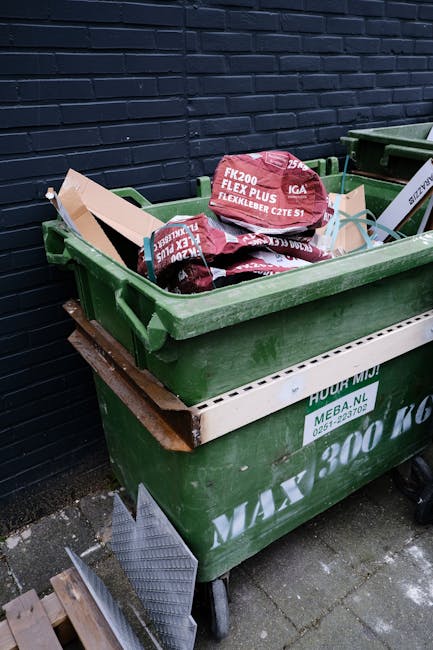
Bulky waste in Islington: disposal options without fines
If you have an old sofa in the hallway, a broken wardrobe in the spare room, or a mattress that has become more of an obstacle than a piece of furniture, you are not alone. Bulky waste in Islington can be straightforward to deal with, but only if you know the right disposal options and the common mistakes that lead to hassle, delays, or even fines. The good news is that there are sensible, compliant ways to clear large items without turning the job into a stressful weekend project.
This guide walks you through the practical choices, what counts as bulky waste, how to stay on the right side of local rules, and how to choose a disposal method that suits your time, budget, and property access. Truth be told, that last part matters more than people expect.
Why bulky waste in Islington matters
Bulky waste is any item too large for a normal household collection bag or bin. In everyday terms, that usually means furniture, white goods, large electrical items, carpets, exercise equipment, or other awkward household pieces that do not fit into standard waste streams. In a dense borough like Islington, where pavements are busy and properties often have limited storage or access, bulky waste can become a real problem quickly.
Leave it too long and a few things can happen. The item starts blocking a hallway or shared entrance. It attracts damp, dust, or unwanted attention. A neighbour complains. A landlord notices. And if the item ends up placed on the street incorrectly, you could run into enforcement issues or removal costs that are much higher than a proper disposal job in the first place.
There is also a bigger picture. Good bulky waste disposal supports recycling, keeps communal areas safe, and reduces the chance of fly-tipping. That matters in a borough where one careless decision can affect a whole building. If you want to handle the process with less guesswork, it helps to understand the wider service picture too. Our recycling and sustainability approach explains how responsible disposal fits into a cleaner, lower-waste outcome.
Expert summary: The safest way to deal with bulky waste in Islington is to identify the item, choose a compliant route, keep the collection area accessible, and make sure the waste goes to an authorised destination. Simple enough on paper. Much easier when you plan it properly.
How bulky waste disposal without fines works
The process is usually less complicated than people fear, but it does need a bit of structure. The key is to move from "I need this gone" to "this item is prepared, declared, and collected legally." That protects you from fly-tipping penalties and helps the waste move through the right channel.
In practice, bulky waste disposal without fines tends to work like this:
- Identify the item or items. Make a list of what needs to go, including size, weight, and whether the item is dismantled.
- Check if it can be reused or donated. If an item is in usable condition, reuse is often the simplest and most sustainable route.
- Select the right disposal method. This might be a council collection, a private clearance service, a man-and-van style removal, or a trip to an authorised facility if you are able to transport it safely.
- Prepare the space. Clear access routes, protect floors if needed, and make sure the item can be moved without damaging walls or stairwells.
- Confirm what is included. Some services remove from inside the property; others collect from the kerb or front door only. That detail matters, especially in flats and converted houses.
- Keep records if appropriate. If you hire a service, retain the quote, invoice, and any disposal confirmation for your own peace of mind.
One thing people often overlook is timing. A mattress collection at 8am on a wet Tuesday in January feels very different from a quick clear-out on a dry Saturday morning. Access, parking, and building rules all affect the process. A good plan saves a lot of back-and-forth. And, let's face it, no one wants to drag a wardrobe down two flights of stairs only to realise the collection team cannot park anywhere nearby.
If you are comparing service providers, it is sensible to look at transparent costs and booking details early. You can review typical guidance on pricing and quotes before you commit, which makes the decision a lot less guessy.
Key benefits and practical advantages
Choosing a proper bulky waste route is not only about staying legal. It also makes the job easier on your time, your building, and your nerves. That may sound dramatic, but anyone who has tried to move a wardrobe through a narrow Islington staircase knows exactly what I mean.
- Less risk of fines or complaints. When bulky items are left incorrectly, the issue can escalate fast.
- Faster clearance. A planned collection is usually far more efficient than trying to improvise.
- Better building safety. Shared hallways, entryways, and fire routes stay clear.
- Reduced strain and injury risk. Heavy items are a common source of back strain and knocked knuckles. Small detail, big difference.
- More recycling potential. A professional route may separate recyclable components more effectively than a rushed DIY approach.
- Cleaner handover for landlords, tenants, and sellers. Useful when moving out, refurbishing, or preparing a property for new occupants.
There is also a quiet benefit people appreciate once the job is done: mental breathing room. The hallway looks bigger. The room feels usable again. You stop stepping around the same item for a week. It is a small thing, but it changes the feel of the property immediately.
Who this is for and when it makes sense
Bulky waste disposal is relevant to a wide mix of people. Some are moving house, some are replacing furniture, and some are just trying to reclaim space from old items that have lingered far too long.
This topic is especially useful if you are:
- a tenant clearing a flat before check-out;
- a landlord preparing a property between lets;
- a homeowner disposing of old furniture or appliances;
- a business owner clearing office furniture or commercial fixtures;
- a resident in a flat share with limited storage and awkward access;
- someone dealing with mixed waste after a refresh, renovation, or declutter.
It also makes sense when the item is too heavy, too awkward, or too numerous for a standard car trip. A single chair is one thing. A sofa, double wardrobe, broken desk, and old TV all at once? That is when a proper removal plan starts looking very sensible indeed.
If you are unsure whether to book help or manage the disposal yourself, start by asking three questions: How heavy is it? How far does it need to travel? And do I really want to spend my Saturday doing this? Sometimes the answer is obvious. Sometimes, not so much.
Step-by-step guidance
If you want to avoid fines and unnecessary stress, a simple process works best. Here is a practical way to handle bulky waste in Islington without overcomplicating things.
1. Sort the item type
Separate furniture, electrical items, and mixed materials. A sofa is not the same as a fridge, and a mirror is not the same as a bed frame. Knowing what you have helps determine whether the item can be reused, dismantled, or needs special handling.
2. Decide whether the item can be reused
If the item is clean, safe, and still functional, reuse may be the smarter route. Even a slightly worn piece can sometimes be useful to someone else. If it is damaged, unstable, mouldy, or non-functional, disposal is usually the right call.
3. Measure access carefully
Check stairwells, door widths, lift access, and parking availability. This matters more in Islington than many people expect because older buildings and compact entrances can make bulky items awkward to move. A collection crew may be able to help, but only if they know what they are dealing with.
4. Choose the disposal method
Consider whether you need a council route, a private removal service, or a combination of dismantling and collection. If you want a straightforward, managed process, a professional team can reduce the risk of damage or delay. If you are arranging a larger household clear-out, the main service information can help you understand the wider moving and clearance support available.
5. Confirm the collection details
Ask what time the team will arrive, whether they collect from inside or outside, and whether you need to move the item to a certain point. Clear instructions avoid the usual "I thought you meant the front door" problem. Happens more than you'd think.
6. Keep the area safe and clear
On collection day, remove loose obstacles, protect corners if you can, and keep pets and children away from the moving route. A small bit of prep can save a surprising amount of friction.
7. Make sure the item is disposed of correctly
Use a service that handles waste responsibly and has a clear process for recycling or lawful transfer. If you are comparing providers, it is sensible to review trust pages such as insurance and safety and health and safety policy so you understand how care and responsibility are handled.
Expert tips for better results
A few small decisions can make bulky waste disposal much smoother. These are the kinds of details people often skip, then regret halfway through.
- Dismantle where sensible. A bed frame, wardrobe, or table can often be made easier to remove if taken apart first.
- Photograph the items before booking. Pictures help avoid misunderstandings about size, condition, and access.
- Check for hidden hazards. Loose glass, sharp brackets, splintered wood, and old wiring can turn a simple job into a careful one.
- Bundle similar items together. Grouping items reduces handling time and makes the collection quicker.
- Keep a clear route to the door. That sounds basic, but it really does matter in narrow London homes.
- Ask about mixed loads. If you have furniture plus electricals, make sure the provider can deal with both properly.
Here is a useful rule of thumb: the more awkward the item, the more value there is in planning ahead. A little preparation now can save a lot of lifting later. And your back will thank you for it, quietly but firmly.
If you want to understand more about the company background and operating standards before booking anything, the about us page is a sensible place to start.
Common mistakes to avoid
Most bulky waste problems come from a handful of predictable mistakes. Avoid these and you will make the process much less stressful.
- Leaving items beside the street without checking the proper route. This is one of the quickest ways to run into trouble.
- Mixing reusable and non-reusable items without thought. If an item can be donated or passed on, do that before you book disposal.
- Not checking building rules. Some flats have access restrictions, collection windows, or management requirements.
- Assuming all providers collect everything. Not every team handles every item type, and that needs confirming in advance.
- Forgetting parking and access. A great quote can be spoiled by an impossible loading bay or a blocked street.
- Choosing the cheapest option without checking what is included. Sometimes low prices hide extra charges for stairs, wait time, or oversized items.
Another common problem is underestimating the effort involved. People look at a wardrobe and think, "I can move that." Then they reach the first corner and realise it has other plans. To be fair, furniture has a way of becoming heavier when the stairs begin.
Tools, resources and recommendations
You do not need a van full of gear to deal with bulky waste, but a few tools and reference points can help a lot.
- Measuring tape. Useful for checking item dimensions and access routes.
- Gloves. Helpful for grip and for avoiding splinters, dust, or sharp edges.
- Furniture sliders or blankets. These reduce floor damage and make movement easier.
- Basic screwdriver or Allen key set. Useful for dismantling beds, tables, and flat-pack furniture.
- Labels or notes. Great if you are sorting multiple items for different outcomes.
For service-related support, it also helps to review practical pages before you book. Clear billing and a secure checkout process can matter more than people expect when you are arranging a same-week clearance. If that is relevant, take a look at payment and security and terms and conditions so you know what to expect.
If your situation is more urgent or you need to discuss access, timing, or mixed items, the most direct next step is to use the contact us page. A quick conversation can save a lot of guessing.
Law, compliance, standards, or best practice
When dealing with bulky waste, the main principle is simple: waste should go to a lawful and appropriate destination, and you should avoid any route that looks like dumping, fly-tipping, or careless handover. In the UK, responsibility matters. If you hand waste to the wrong person or leave it somewhere it should not be, the consequences can come back to you. Nobody wants that.
Best practice means using a provider that is transparent about how waste is handled, how items are moved safely, and how recycling is considered. That does not require you to be an expert in waste law, but it does mean asking sensible questions:
- Will the item be taken to an authorised facility?
- Can the provider explain what happens to reusable or recyclable material?
- Do they offer clear documentation or confirmation?
- Are there any access, weight, or item restrictions?
Safety is also part of compliance. Heavy lifting, narrow stairs, and sharp edges can all create hazards. A good provider should take reasonable precautions and communicate clearly. If you want a closer look at that side of things, the health and safety policy and insurance and safety information are useful trust signals.
In practical terms, compliance is less about paperwork for its own sake and more about showing that the disposal was handled properly. That is what protects you from problems later. Simple, but important.
Options, methods, or comparison table
There is no single best way to deal with bulky waste. The right option depends on the item, your access, your timing, and how much lifting you want to do yourself.
| Option | Best for | Pros | Watch out for |
|---|---|---|---|
| Council-style bulky collection | Basic household items and planned clear-outs | Simple for residents; familiar process | May have set rules, limited dates, or item restrictions |
| Private bulky waste removal | Faster turnaround, awkward access, mixed items | More flexible; can handle larger jobs | Costs vary; quote details matter |
| DIY transport to a facility | Smaller loads and people with suitable transport | Full control over timing | Heavy lifting, vehicle suitability, and disposal rules |
| Reuse or donation | Usable furniture and appliances | Best environmental outcome; often no disposal cost | Needs time, condition, and a suitable recipient |
For many Islington residents, private removal becomes the most practical route when access is tight or the item is too awkward to move alone. That said, if the item is in good condition, reuse should always be considered first. It is a cleaner outcome, and in some cases, a much more satisfying one.
Case study or real-world example
Imagine a second-floor flat near a busy high street. The resident has an old sofa, a broken office chair, and a wardrobe that no longer fits the room layout after a recent refresh. The hallway is narrow, the stairwell is tight, and the building has shared access. On top of that, there is limited parking outside.
The sensible approach is not to drag everything downstairs at random. Instead, the resident measures the items, checks access, clears the route, and books a removal slot with enough detail to avoid surprises. The sofa is checked for possible reuse. The wardrobe is partly dismantled to make it safer to move. The collection team arrives, removes the items in one visit, and the resident avoids the kind of rushed street-side disposal that can lead to penalties or complaints.
It is not glamorous. It is just a well-planned job. But that is often what works best.
In a similar situation, a landlord preparing a one-bedroom property between tenancies may use the same approach, especially if they need the space cleared quickly before cleaners or decorators arrive. The difference is in timing and urgency, not the basic logic. Plan the route, choose the method, confirm the details. Done.
Practical checklist
Use this quick checklist before arranging bulky waste disposal in Islington:
- Have I listed every item that needs removal?
- Do any items still have reuse value?
- Have I measured the largest item and the access route?
- Do I know whether the item needs dismantling?
- Have I checked building rules, parking, and collection access?
- Have I confirmed what the provider will and will not take?
- Am I clear on the price, timing, and any extra charges?
- Have I made the route clear and safe for moving?
- Have I thought about recycling or responsible disposal?
- Do I have the provider's contact details in case plans change?
If you can tick most of those off, you are in good shape. If not, pause and sort the missing pieces before collection day. That little bit of discipline can save a whole lot of bother later.
Conclusion
Bulky waste in Islington does not have to become a headache. Once you understand the item type, the access conditions, and the disposal route that suits your situation, the whole process becomes much more manageable. The main thing is to avoid rushing, because rushed decisions are where fines, fly-tipping risks, and stressful last-minute fixes tend to appear.
A good bulky waste plan is simple: identify, prepare, choose the right route, and confirm the details. That is what keeps the process lawful, efficient, and far less frustrating than trying to wing it on the day. If you want support, guidance, or a quick way to compare options, start with the practical information already available and move from there.
Get a free quote today and see how much you can save.
And if you are the kind of person who likes to know exactly how a business works before booking, you can also review the privacy policy, complaints procedure, and accessibility statement for added reassurance. A little clarity goes a long way.
Frequently Asked Questions
What counts as bulky waste in Islington?
Bulky waste usually includes large household items such as sofas, mattresses, wardrobes, tables, chairs, fridges, freezers, and other oversized objects that do not fit in normal bin collections.
How do I dispose of bulky waste without getting fined?
The safest route is to use a proper collection method, keep items off the street until collection is arranged, and make sure the waste is taken by a legitimate provider or approved service.
Can I leave bulky items beside the bins?
Usually no. Leaving items out without the correct arrangement can lead to complaints or enforcement issues. It is better to book the correct collection method first.
Is it better to reuse or dispose of bulky items?
If the item is still usable, reuse is often the better first step. It may help someone else and reduce waste. If it is damaged, unsafe, or no longer functional, disposal makes more sense.
Do I need to dismantle furniture before collection?
Not always, but dismantling can help with access, safety, and speed. Bed frames, wardrobes, and tables are common candidates for partial dismantling.
What if my flat has narrow stairs or no lift?
That is common in London and should be mentioned when arranging the collection. Good planning matters more in tight-access buildings, and a provider should know what to expect.
Can bulky waste include electrical items?
Yes, but electricals may need separate handling depending on what they are. Fridges, freezers, TVs, and other appliances can require more careful disposal than furniture.
How far in advance should I book a bulky waste collection?
As early as you can, especially if you need a specific time slot or have access restrictions. Same-week arrangements may be possible, but planning ahead reduces stress.
What should I ask before booking a removal service?
Ask what is included, whether they collect from inside or outside, how they handle mixed loads, what the pricing covers, and whether there are extra charges for stairs or access issues.
What is the most cost-effective option?
It depends on the item and your circumstances. Reuse can be the lowest-cost option, but when disposal is necessary, a well-planned collection often avoids hidden costs and wasted time.
Can a provider handle multiple bulky items at once?
Usually yes, as long as you declare everything in advance. A clear item list helps the provider plan the vehicle, staffing, and loading time properly.
How do I know the waste is being handled responsibly?
Look for clear information about disposal, recycling, safety, and service terms. Transparency is a good sign that the job will be handled properly rather than dumped somewhere questionable.