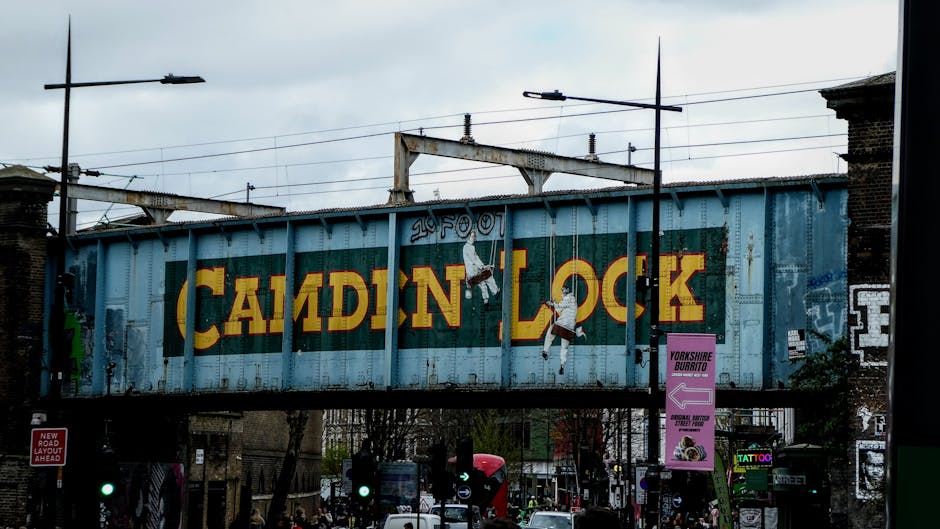
King's Cross to Camden: moving across N1 and N7
If you are planning a move from King's Cross to Camden, you are probably not thinking about "distance" in miles so much as everything that sits between two very busy London postcodes: access, timing, parking, stairs, lift availability, and whether the sofa will actually fit through the front door. That is the real story of King's Cross to Camden: moving across N1 and N7. It looks like a short hop on the map, but in practice it can be a surprisingly detailed move.
Truth be told, small central-London moves often demand more care than longer ones. The streets are tighter, the buildings are older, and one badly timed van stop can throw the whole morning off. This guide walks through what the move involves, why it matters, how to plan it properly, and how to avoid the little mistakes that make moving day feel longer than it should. You will also find practical advice, a comparison of approaches, a checklist, and answers to the questions people actually ask.
Table of Contents
- Why King's Cross to Camden: moving across N1 and N7 Matters
- How King's Cross to Camden: moving across N1 and N7 Works
- Key Benefits and Practical Advantages
- Who This Is For and When It Makes Sense
- Step-by-Step Guidance
- Expert Tips for Better Results
- Common Mistakes to Avoid
- Tools, Resources and Recommendations
- Law, Compliance, Standards, or Best Practice
- Options, Methods, or Comparison Table
- Case Study or Real-World Example
- Practical Checklist
- Conclusion
- Frequently Asked Questions
Why King's Cross to Camden: moving across N1 and N7 Matters
Moving between King's Cross and Camden matters because this is not a "simple local move" in the everyday sense. Yes, the postcodes are close. But N1 and N7 sit in parts of London where traffic patterns, building layouts, and parking rules can make even a short relocation feel more involved than expected. Anyone who has tried to carry a double wardrobe down a narrow Georgian staircase in light drizzle will know what I mean.
This route also sits right on the edge of several different property types. You might be moving from a split-level flat near King's Cross into a converted building in Camden, or from a modern apartment block into a period terrace with limited outside space. Those details shape the move far more than the postcode alone. In other words, this is about logistics, not just geography.
It matters commercially too. If you are comparing removal services, a move like this is often judged less on "how far" and more on how smoothly the company handles access, timing and protection of your belongings. That is why pages like pricing and quotes and insurance and safety are worth checking early on. They help you understand the practical shape of the service, not just the headline price.
And to be fair, the King's Cross to Camden corridor has its own rhythm. Morning deliveries, commuter pressure, school runs, bus lanes, and busy side roads can all affect loading windows. If your schedule is tight, that rhythm becomes very important indeed.
Expert summary: A short move across N1 and N7 is usually won or lost on preparation. Measure access, confirm parking, protect fragile items, and build in time for the small surprises that central London loves to produce.
How King's Cross to Camden: moving across N1 and N7 Works
At a practical level, the move follows the same broad pattern as any professional removal, but the details are tighter. The first step is usually a survey or a detailed inventory. That can be done in person or remotely, depending on the provider and the complexity of the property. The aim is to understand what is being moved, what needs dismantling, and where access could slow things down.
After that comes route and access planning. This is where central London moves differ. A good mover will want to know about lift access, door widths, shared hallways, controlled parking zones, and whether the van can stop close enough to the entrance. If you have ever seen a team carry items an extra 40 metres because the nearest legal stop is blocked, you already know why this matters.
The actual moving day usually involves packing, loading, transit, and unloading. Sometimes those happen all in one smooth sequence. Sometimes they do not. If the new place is not ready, or there is a lift booking at a certain time, the schedule may need to be adjusted. That flexibility is normal, especially in dense parts of London.
For some households, it also makes sense to split the move into stages. Boxes first, furniture later. Or essentials first, the rest after. This can reduce pressure and help avoid the all-too-common "where is the kettle?" moment by 7:30 p.m.
Key Benefits and Practical Advantages
A well-managed move across these neighbourhoods brings more than just convenience. It can save time, lower stress, and reduce the risk of damage. It also gives you a better chance of settling in quickly, which is often the biggest win of all. Let's face it: the move itself is only half the battle. Unpacking into a home that already feels organised is a different experience entirely.
- Short transit distance: Less time on the road usually means fewer handling risks.
- Local route familiarity: A mover who knows central and north London can plan around road patterns better.
- Better time control: Short moves can often be completed within a single day when access is well managed.
- Lower disruption: You can often coordinate movers, cleaners, and keys more efficiently.
- Less fatigue: Good planning means fewer repeat trips and less carrying by hand.
There is also a subtle advantage that people sometimes overlook: local knowledge improves judgement. For example, knowing that a street near Camden may be much busier at certain times, or that a building by King's Cross might require booking a service lift, can prevent avoidable delays. That kind of practical awareness is worth a lot.
And if you are moving into a first or second-floor flat, the right support really matters. A team that knows how to work carefully in tight communal areas is not just more efficient; it is usually kinder to the building too.
Who This Is For and When It Makes Sense
This move suits a wide range of people. It is not only for homeowners. In fact, many of the most common King's Cross to Camden moves are renters, young professionals, students, couples downsizing, and people relocating for work. A short route like this often appeals to anyone who wants to stay in central London but shift to a slightly different pace or housing setup.
It also makes sense if you are moving between different property styles. One flat may be a compact new-build near the station, while the other is a character property with awkward corners and a very narrow hallway. Different buildings, different headaches. You know the drill.
You might especially benefit from professional help if:
- you have furniture that must be dismantled and rebuilt;
- you are moving on a weekday with limited loading time;
- you have fragile items, instruments, artwork, or bulky electronics;
- you are juggling handover times and key collection;
- you need a move that feels calm rather than chaotic.
If your move also connects to other parts of London, it can help to compare nearby service areas such as St Pancras removals, removals in Tufnell Park, or West Hampstead removals. Those pages can give you a better sense of how local coverage is structured.
Step-by-Step Guidance
Here is a practical way to approach the move without overcomplicating it. Keep it steady. Keep it realistic.
- List everything that is moving. Start with furniture, white goods, boxes, and anything awkward or fragile. A rough inventory is enough at first.
- Measure access points. Check stairs, lifts, door frames, corridors, and the width of any awkward turns. A tape measure and five minutes can save an hour later.
- Confirm parking or loading arrangements. If the van cannot stop near the entrance, the whole schedule may need more time.
- Decide what needs packing help. Some people pack their own books and clothes but ask movers to handle fragile or bulky items.
- Protect valuables separately. Keep passports, chargers, medication, keys, and documents with you.
- Label boxes by room and priority. A simple system works best: kitchen, bedroom, bathroom, essentials.
- Book the removal slot with realistic timing. Do not assume a short geographic distance means a short job.
- Prepare both properties the day before. Clear hallways, defrost appliances if needed, and make sure bins and waste are sorted.
- Do a final walk-through. Check cupboards, loft spaces, windows, meter readings, and communal areas.
If you want to understand how costs are typically structured, it is sensible to review pricing and quotes before you commit. Transparent pricing is often a sign that the job has been properly assessed rather than guessed at. And that helps everyone.
Expert Tips for Better Results
Small moves can still go sideways if the details are vague. The following tips are based on the kind of issues that crop up again and again in London removals.
- Book the building lift early. If your block requires a lift reservation, do not leave it to chance.
- Use smaller boxes for books. Heavy boxes are a classic mistake. They seem fine until someone has to lift them up a staircase at arm's length.
- Keep one essentials bag separate. Think kettle, tea, toilet roll, phone charger, snacks, and a change of clothes.
- Photograph complex setups. Cables, TV brackets, and shelf arrangements are easy to forget.
- Wrap mirrors and frames properly. Cardboard corners help, and blankets are not just for aesthetics.
- Tell the movers about delicate items upfront. A piano, artwork, or specialist equipment should never be a surprise on the morning.
A small but useful one: if you are moving in winter, remember that dark comes early. By late afternoon in London, a move can suddenly feel more urgent. Having good lighting, a clear entry route, and everything labelled makes a bigger difference than people expect.
And if sustainability matters to you, look at recycling and sustainability. Moving is the perfect time to clear out responsibly rather than dragging unused clutter from one place to the next.
Common Mistakes to Avoid
Most moving problems are not dramatic. They are small, ordinary oversights that add up. The good news? They are usually easy to avoid once you know what to look for.
- Underestimating access problems. A short route does not remove the need for careful planning.
- Packing too late. The last 24 hours should not be box chaos. It happens, but it should not.
- Forgetting building rules. Some properties have move-in windows, concierge requirements, or loading restrictions.
- Mixing essentials with everything else. Nobody wants to search for a toothbrush under a mountain of kitchenware.
- Choosing a service on price alone. Cheap can be expensive if items are damaged or the job overruns.
- Not checking protection and insurance. Good movers will be happy to explain the basics clearly.
There is also a softer mistake: trying to make moving day feel "easy" when it is actually a fairly demanding day. Be honest about what you need. That is not weakness, it is sensible planning. Really sensible.
Tools, Resources and Recommendations
You do not need fancy equipment for a well-run move, but a few tools make a noticeable difference. A good removal team should arrive prepared, yet it still helps to have your own basics sorted.
- Strong packing boxes: Use a mix of sizes rather than one box type for everything.
- Packing tape and labels: Clear labels save time during unloading.
- Furniture blankets and wraps: These protect finishes, corners, and glass surfaces.
- Basic toolkit: Screwdrivers, Allen keys, and a small hammer can be handy for beds and shelves.
- Phone notes or a moving app: Useful for checklists, meter readings, and key contacts.
- Camera on your phone: Take pictures of meter readings, item condition, and any pre-existing marks.
For practical service support, a few pages are especially useful. You may want to review the company's health and safety policy for reassurance around handling and site practices, and payment and security if you want clarity on how transactions are handled. Small things, but they matter.
And if you are comparing movers for other nearby parts of London or beyond, service pages such as Waterloo removals, Vauxhall removals, and Westminster removals can help you understand the wider coverage area.
Law, Compliance, Standards, or Best Practice
For a move like this, the most relevant compliance concerns are usually safety, insurance, and responsible handling of property and access. You do not need to become an expert in transport law to move home, thankfully, but you do want a provider that works to accepted UK standards and operates carefully.
Best practice in removals usually includes proper lifting methods, safe vehicle loading, item protection, and clear communication about any access restrictions. In central London, it also includes respecting building rules, parking arrangements, and the practical realities of shared spaces. This is especially important where communal hallways, lifts, or tight staircases are involved.
If you are using a professional service, it is sensible to ask about:
- insurance cover for transit and handling;
- how fragile or high-value items are protected;
- what happens if access is delayed;
- how the team manages health and safety on site;
- how complaints are handled if something goes wrong.
That last point is not negative; it is just practical. A straightforward complaints procedure says a lot about how a company treats accountability. Likewise, an accessible and transparent accessibility statement can be a useful sign that the business thinks seriously about user needs.
One more note: if you want reassurance about ethical business practice, you may also wish to read the modern slavery statement. Not because every customer will need it, but because trust is built from the full picture, not just the moving van.
Options, Methods, or Comparison Table
There are usually a few ways to handle a move between King's Cross and Camden. The right choice depends on your budget, inventory size, and how much time you want to spend doing the heavy lifting yourself.
| Method | Best for | Pros | Trade-offs |
|---|---|---|---|
| Self-move | Very small loads, short notice, limited budget | Lower direct cost, full control | More physical effort, more risk, more time stress |
| Man and van | Studios, smaller flats, single-room moves | Flexible, efficient, usually cost-conscious | Less suitable for larger furniture volumes or tricky access |
| Full removal service | Flats with furniture, family moves, fragile items | Packing help, loading support, better handling | Higher cost, more planning required |
| Part-pack or hybrid move | People who want support but not a full packing service | Balanced cost and convenience | Still requires good coordination from you |
For many local moves, the hybrid approach is the sweet spot. You pack your personal items and books, and let the professionals handle beds, wardrobes, appliances, and anything awkward. It tends to feel manageable without becoming a full weekend project.
Case Study or Real-World Example
Here is a realistic example. A couple moved from a one-bedroom flat near King's Cross into a Camden apartment with a small lift and a shared entrance. On paper, the move looked simple: less than a mile, one van, half a day. In practice, they had a sofa that needed partial dismantling, a narrow stairwell, and a concierge window that only allowed loading between set times.
What made the difference was the preparation. They labelled every box by room, separated essentials into two bags, measured the sofa before moving day, and sent photos of the access route in advance. The movers arrived with the right tools, protected the hallway, and worked around the lift booking. Nobody was rushed, nobody was hunting for tape at the last minute, and the whole thing stayed calm. Not luxurious. Calm.
The small lesson there is simple: short moves reward detail. If you know the access constraints early, the rest becomes much easier. And if you do not, well, the day can become a bit of a scramble. You can probably guess which version people prefer.
For households with a slightly more complex setup, nearby area pages such as St John's Wood removals and Swiss Cottage removals can also help you compare the kind of service standards offered across similar London neighbourhoods.
Practical Checklist
Use this checklist a few days before the move. It is not glamorous, but it works.
- Confirm your moving date and time window.
- Check access at both properties, including lifts and stairs.
- Arrange parking or loading permissions where needed.
- Finish most packing the day before.
- Label boxes clearly by room and priority.
- Set aside valuables and essentials to carry yourself.
- Disassemble furniture only if you are sure it needs doing.
- Take meter readings at both addresses.
- Photograph fragile items and any existing marks.
- Keep snacks, water, and chargers within easy reach.
- Check the new place has keys, fobs, and access codes ready.
- Review insurance and safety details before moving day.
Small tip: put the kettle box where you can find it instantly. There are few things more comforting after a moving day than making tea without a full archaeological dig.
Conclusion
Moving from King's Cross to Camden may be short in miles, but it is still a proper London move. The best outcomes usually come from careful planning, realistic timing, and a removal team that understands access, safety, and the little quirks of N1 and N7. If you treat the move as a logistics job rather than a simple drive across town, you give yourself a much better chance of a smooth day.
Whether you are moving a studio flat, a family home, or just a collection of awkward furniture and boxes you swear were smaller when you packed them, the same rule applies: prepare well, ask questions early, and do not underestimate the details. That's where the calm lives.
Get a free quote today and see how much you can save.
If you are ready to plan the move properly, review the service details, check what is included, and book with confidence. A well-handled removal should feel organised, steady, and oddly reassuring by the end of it.
Frequently Asked Questions
How long does a move from King's Cross to Camden usually take?
It depends more on access and volume than on distance. A small flat move can often be completed in a day, while larger homes or awkward properties may need more time.
Is moving across N1 and N7 considered a local move?
Yes, generally it is treated as a local London move. Even so, local does not always mean easy, especially if parking, lifts, or narrow staircases are involved.
Do I need professional movers for a short move like this?
Not always, but many people choose professional help because it reduces strain and helps avoid damage. If you have furniture, fragile items, or tight timing, it is often worth it.
What should I tell the removal company before moving day?
Share as much access information as you can: stairs, lifts, parking restrictions, loading bays, and any items that are especially heavy, delicate, or unusual.
How can I reduce the cost of moving from King's Cross to Camden?
Pack early, declutter before moving, disassemble simple furniture yourself if you are confident, and book the move once your dates are fixed. You can also request a clear quote via the company's pricing and quotes page.
What items are most likely to cause problems on this route?
Large wardrobes, sofas, mirrors, glass tables, instruments, and anything that needs careful handling through tight common areas are the usual suspects.
Should I arrange parking myself?
Sometimes yes, sometimes the mover can advise. In central London, parking arrangements can make a major difference, so it is wise to confirm this well before the move.
What if my new home in Camden is not ready on time?
Let your movers know as soon as possible. A good removal plan allows for contingencies, but it is much easier to adjust early than on the day itself.
How do I know if a removal company is trustworthy?
Look for clear communication, sensible insurance information, transparent pricing, and a proper complaints process. Pages such as insurance and safety and complaints procedure are useful trust signals.
Can removals be done outside normal working hours?
Sometimes, depending on the provider and access rules at both properties. It is best to ask early, because building rules and local restrictions may affect timing.
What packing mistake do people make most often?
Overfilling boxes. It sounds harmless until someone has to carry a box of books up several flights of stairs. Keep heavy items in smaller boxes and save your back.
Where can I find more information about responsible and safe moving practices?
Start with the company's support and policy pages, especially the health and safety policy and recycling and sustainability guidance. They can help you plan a move that is safe and considerate.